
Costa Rica vacation: Sustainable travel
Sustainable travel with Tropica Verde - experience people, culture & natureHow to make your Costa Rica vacation sustainable – our tips
Tropica Verde and its members know Costa Rica very well. On this page on sustainable travel in Costa Rica, you will find tips from one of our long-standing members, who has spent a lot of time in Costa Rica over the last three decades, organizing tours and trips with indigenous guides and Europeans living in Costa Rica and moving around the country by public transport and rental car. Accommodation, restaurants and bars of the simple and upscale category were stops on her travels in the country, as was self-catering.
Why Costa Rica is the perfect destination for a sustainable vacation
- The army was abolished in 1948.
- To this end, increased investment was made in education and health projects.
- Almost 30% of the land area is protected.
- Costa Rica obtains almost 100% of its electricity requirements from renewable sources.
- Legal certainty when drafting contracts is very high. We experience this with land purchases, tax matters and personnel decisions.
- The description of Costa Rica as the “Switzerland of Latin America” is absolutely justified in many parts.
- Costa Rica is a hotspot of biodiversity. Around 5% of the world’s biodiversity can be found in this small country.
Environmentally friendly travel: how to travel sustainably through Costa Rica
Moving around the country
The geographical distances in Costa Rica are manageable. When planning your Costa Rica vacation, you can expect an average speed of around 50 km/h for overland journeys by car. The distance from south-east (Puerto Viejo de Talamanca) to north-west (Liberia) is around 410 km – about 8 hours’ drive. The east-west extent of the country varies, between 200 and 400 km.
The Pacific and Caribbean coasts are very different. This is also due to the different climatic conditions and the mountain ranges stretching from north to south as a weather and water divide and the respective weather-determining oceans Pacific and Atlantic/Caribbean.
There is no alternative to the plane for outward and return flights. Travel within the country is only possible by ferry, bus or car. All means of transportation are powered by combustion engines. Cycling is only a very limited alternative. Electromobility is underdeveloped, but is becoming more so.
Recognize and book sustainable accommodation
Things look much better when it comes to accommodation. There are alternatives to consider. Fans are preferable to air conditioning systems for ecological and health reasons. Water management and the waste concept of accommodation providers are indicators of sustainability. This is not immediately apparent at first glance, but the certification of accommodation in Costa Rica is more advanced.
Self-catering: Regional, fresh and plastic-free
In addition to gastronomic catering in sodas (small, often family-run restaurants), self-catering is highly recommended. Local products are very tasty and varied. However, this is a little more time-consuming: a sharp knife, camping cutlery, chopping board, storage box, carrier bag, bin bag and water for cleaning and as a drink are necessary. The effort is well worth it. Have a look in “local supermarkets”. Asking questions about the products on offer is often helpful and provides an opportunity to communicate with Ticas and Ticos. Plastic-free shopping is mainly possible at local markets.
Tropica Verde recommends: Stop here for a sustainable vacation in Costa Rica
Our project stations at a glance
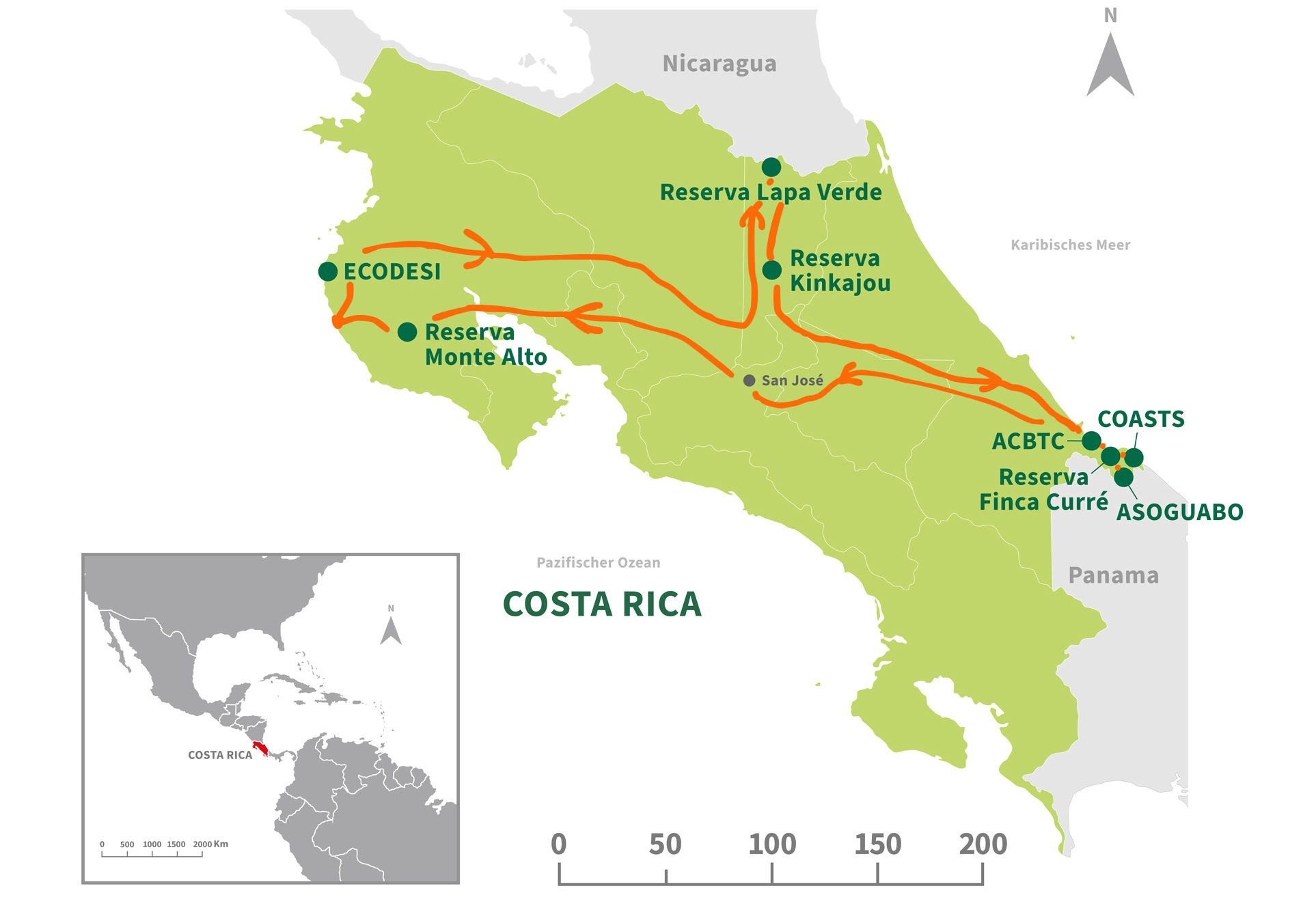
With a total travel time of around 3 weeks, a round trip in Costa Rica is recommended, otherwise it is better to visit selected places. Traveling clockwise offers logistical advantages. Highlights in Costa Rica are the country and its people and, in particular, the visit to our projects.
Travel planning with tips for your round trip on your Costa Rica vacation
-
Start in San José
-
West: towards the Pacific coast with a visit to the Nicoya peninsula to Hojancha (Reserva Monte Alto project)
-
North-west: a little further north to Tamarindo/Villareal (ECODESI project)
-
North-East: Puerto Viejo de Sarapiquí (Reserva Lapa Verde)
-
Central-East: Guápiles (Reserva Kinkajou/Yatama Lodge)
-
South-East: Puerto Viejo de Talamanca (Finca Curré, ASOGUABO & COASTS/sea turtles)
-
Return journey via the Caribbean coast to San José
From the Caribbean coast, it is logistically easier to drive back to San José than from the Pacific coast. If you are travelling without a hire car: organized minibus cabs run several times a day from the Caribbean coast to the capital and the airport, and local buses also go directly to San José. However, you will have to change buses once to get to the airport.
After arriving in San José, it is advisable to start the onward journey as soon as possible and postpone the city tour until the end of the trip. It is better to be back in the capital 2 days before the end of the trip with a safe time buffer to the departure date in order to be able to compensate for possible delays. Missing the plane is associated with considerable time and financial expense.
Discover regional highlights on a Costa Rica vacation with Tropica Verde
San José: the ideal start and end point for your sustainable trip
Accommodation tip: Posada NenaSanta Ana district – good location, close to the airport, car rental station, possibility to prepare for the trip.
Strategically located in the direction of the international airport “Juan Santamaria”; uncomplicated transfer to the airport; bus connections to the city center; rental car pick-up and drop-off on site; good acclimatization option; preparation for the stay in Costa Rica (travel provisions, water, etc.); good end to the trip
Lapa Verde, Kinkajou & COASTS: Projects along the route of your round trip in Costa Rica
Hojancha: Project Reserva Natural Monte Alto – Reforestation; guided tours and overnight stay on site
- Samara region/Pacific coast: excellent natural sandy beaches; accommodation according to certification
-
Tamarindo/Villareal: Project ECODESI – Intergenerational education project
-
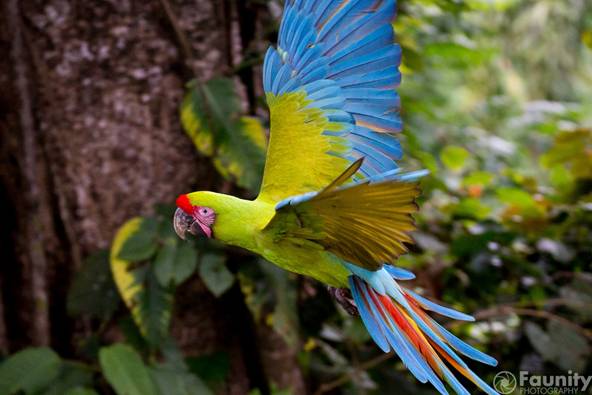
Puerto Viejo de Sarapiquí region: Reserva Lapa Verde project – protection of the Great Soldier Macaw; accommodation: Posada Andrea Cristina, guided tours, nature excursions; contact Alexander Martinez and son, ranger and ornithologist; excursions to the Arenal volcano, waterfall and hot springs near the town of Fortuna
-
Guápiles region: Reserva Kinkajou project – primary forest protection & reforestation; accommodation: Yatama EcoLodge and Reserve; contact person: Pedro Mèndez Tam; in the middle of the rainforest; guided tours
-
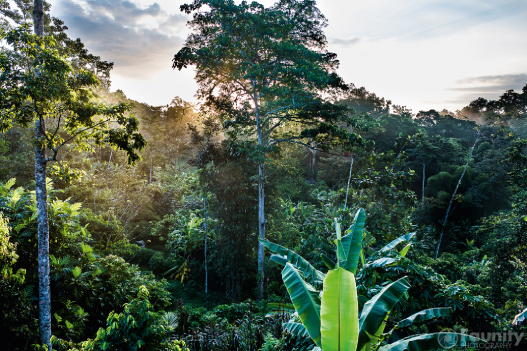
Puerto Viejo de Talamanca region: Finca Curré project – protection of several hundred-year-old primary forests; accommodation right next to Finca Curré in the rainforest; contact Thierry Mangel and/or “Villas del Caribe”, Puerto Viejo de Talamanca
-
Gandoca-Manzanillo: COASTS project – sea turtle conservation; contact: marine biologist Dr. Christine Figgener, Gandoca-Manzanillo; accommodation on site
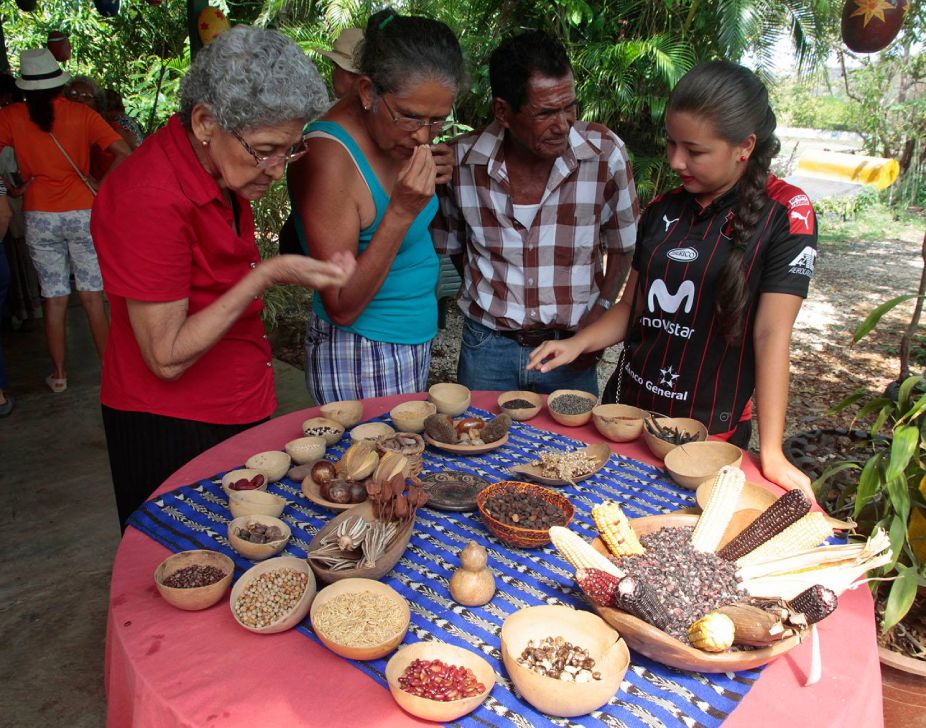
Generationsübergreifende Umweltbildungsaktivitäten mit der lokalen Bevölkerung
Schutz des Großen Soldatenaras
Schutz des Primärwaldes an der Karibikküste
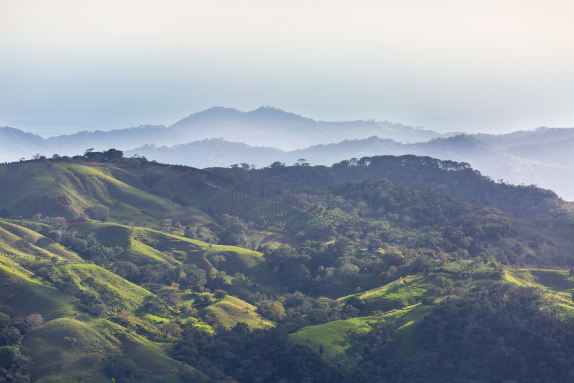
Zunehmende Artenvielfalt durch Wiederbewaldung ehemaliger Viehweiden
Artenschutz und Wiederbewaldung in einer Pufferzone am Braulio Carrillo Nationalpark
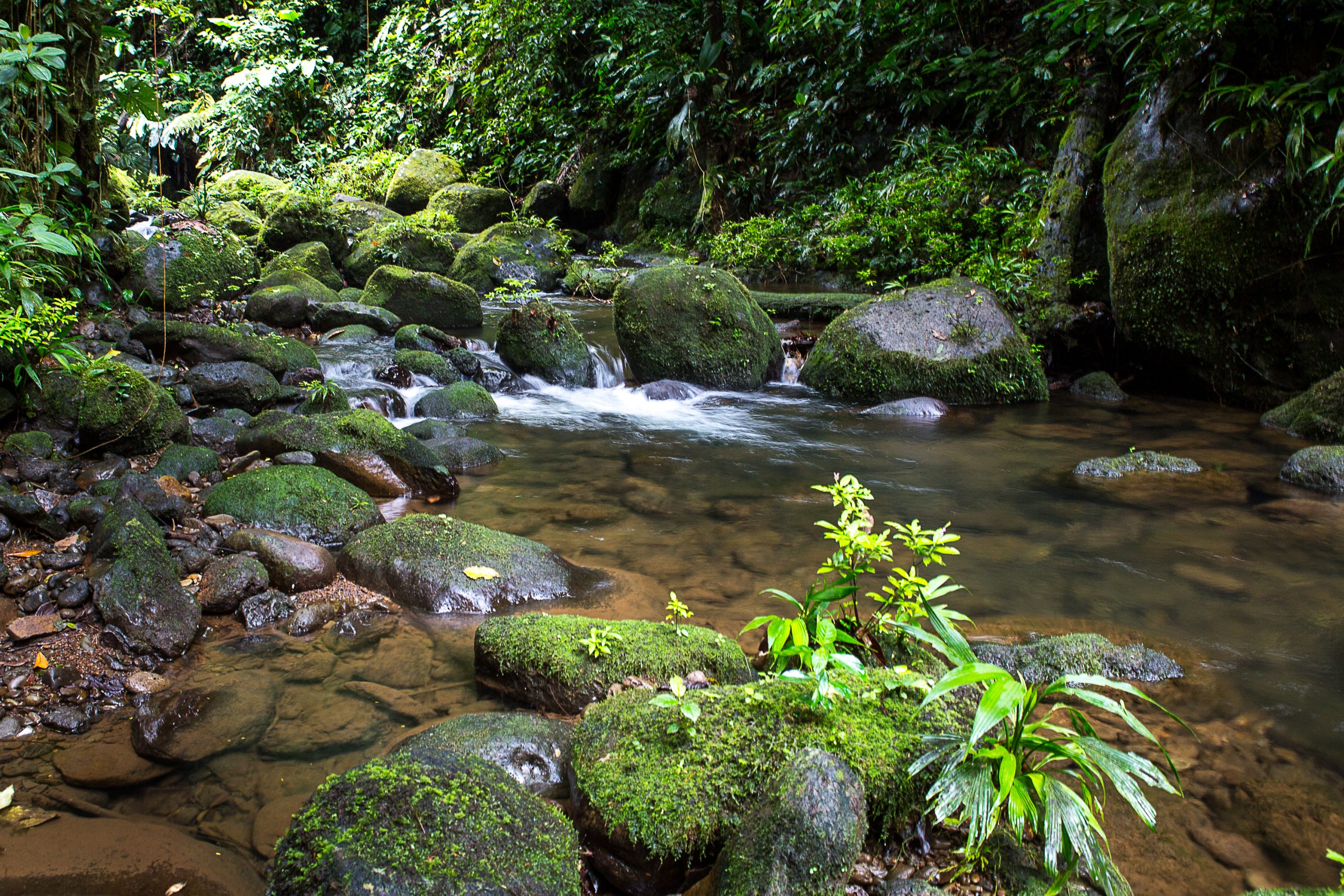
Regenwaldschutz durch die Finanzierung von Bildung für nachhaltige Entwicklung an Schulen
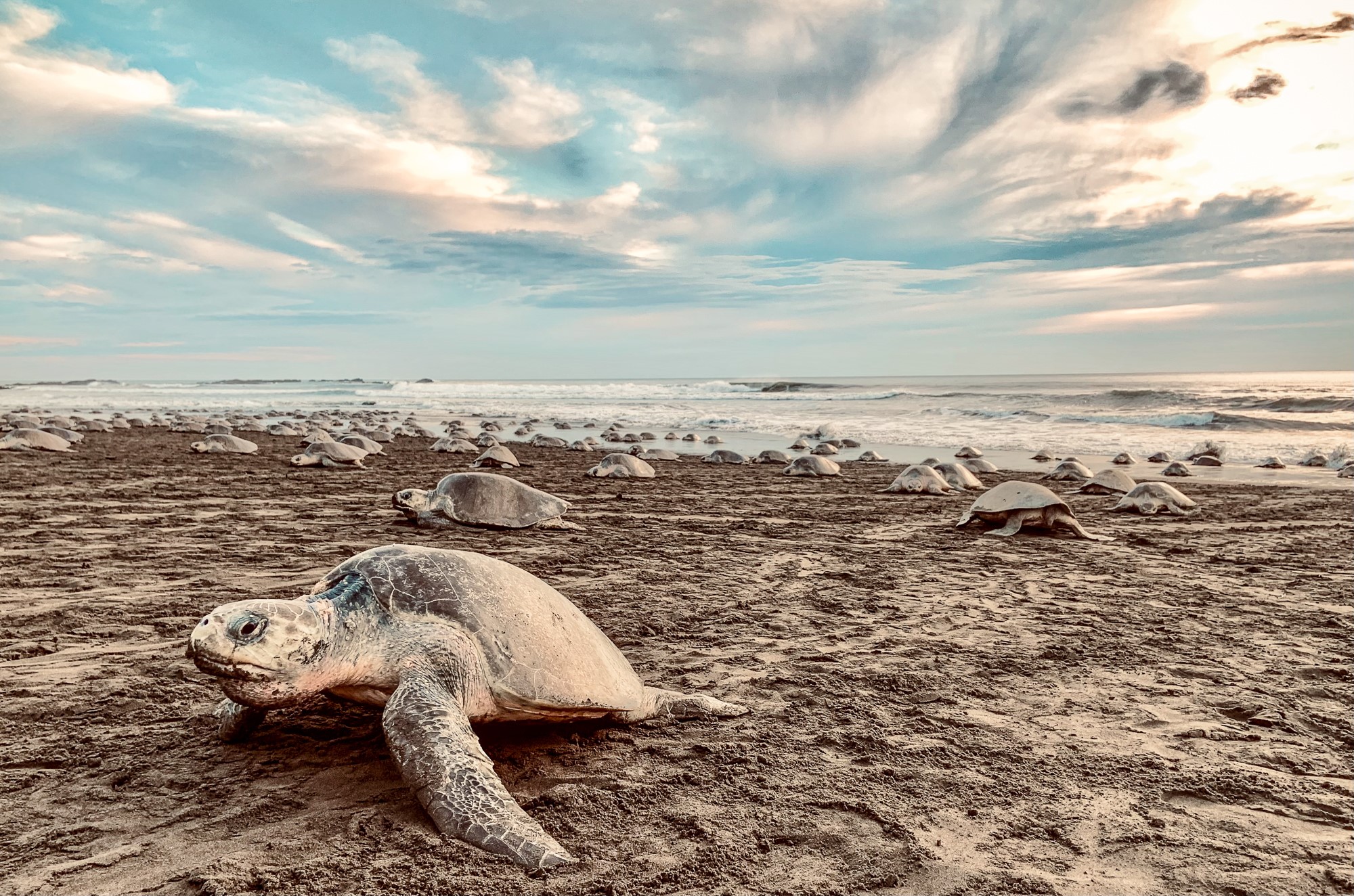
Meeresschildkrötenschutz an der Karibikküste
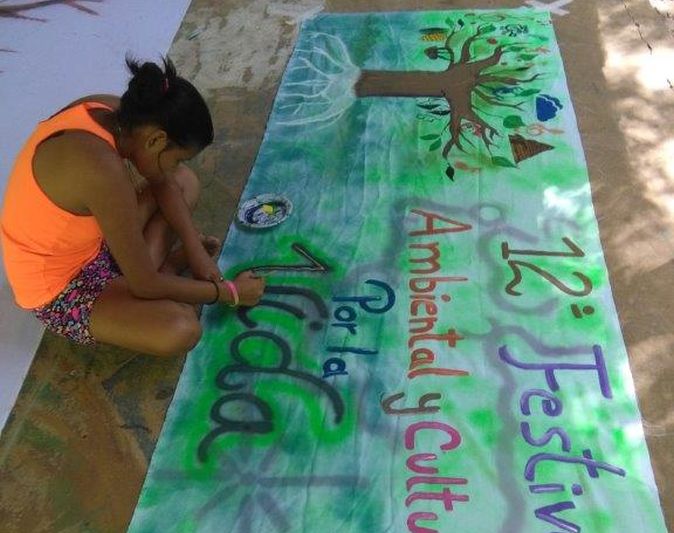
Regenwaldschutz durch Bildung für nachhaltige Entwicklung



Practical tips for your vacation in Costa Rica
Clever use of transportation, navigation & rental cars
-
Rental car with external navigation device recommended: The additional booking of external navigation devices is very helpful. This gives you an external remote control and therefore permanent Wi-Fi in the car and when carrying the tool.
-
Traveling by public transport: Good bus connections for intercity trips(timetables available online); rather confusing in San José.
Health care & medical advice
-
Until now, vaccination has never been mandatory for a Costa Rica vacation and has never been necessary. Notices must be observed.
-
In the event of illness, you will initially have to pay for medical services yourself. Be sure to take out international health insurance.
Payment, SIM card & WLAN on site
- Cash supply is possible at any time with the help of bank ATMs. Common credit cards and debit cards (formerly EC cards) can be used.
-
Cashless payment is common, but not at markets. American Express is not accepted everywhere.
-
Phone & Internet: A cell phone with a second SIM card or a second cell phone is a great advantage. SIM cards with credit are inexpensive, Kölbi is a provider with good network coverage. A short-term contract adjustment with your own provider is also conceivable.
-
W-LAN is very common, but not always powerful. When booking a rental car (see above) with a rented external navigation device, the remote control tool provides the WLAN.
Don’t forget: CO2 compensation for the flight
Since the flight to Costa Rica will most likely make up a large part of your CO2 footprint, remember: offsetting CO2 is important and helps our environment. Simply support our association and the associated rainforest projects!
Support our work – through your trip or as a member
With your sustainable trip to Costa Rica, during which you visit our projects on site, you are also supporting the projects at the same time. More money on the ground enables more action. Perhaps you would also like to become a member of Tropica Verde and build deeper connections with us and our project partners?
We are always happy to welcome new faces to the Tropica Verde family – you can be part of it too!

Protecting the rainforest with Tropica Verde
The head of our office, Ingrith Tilly, is your contact for all questions about your sustainable trip to Costa Rica, our projects, memberships, donations and environmental education programs.

Make a donation!

Become a member!

Compensate for CO2!