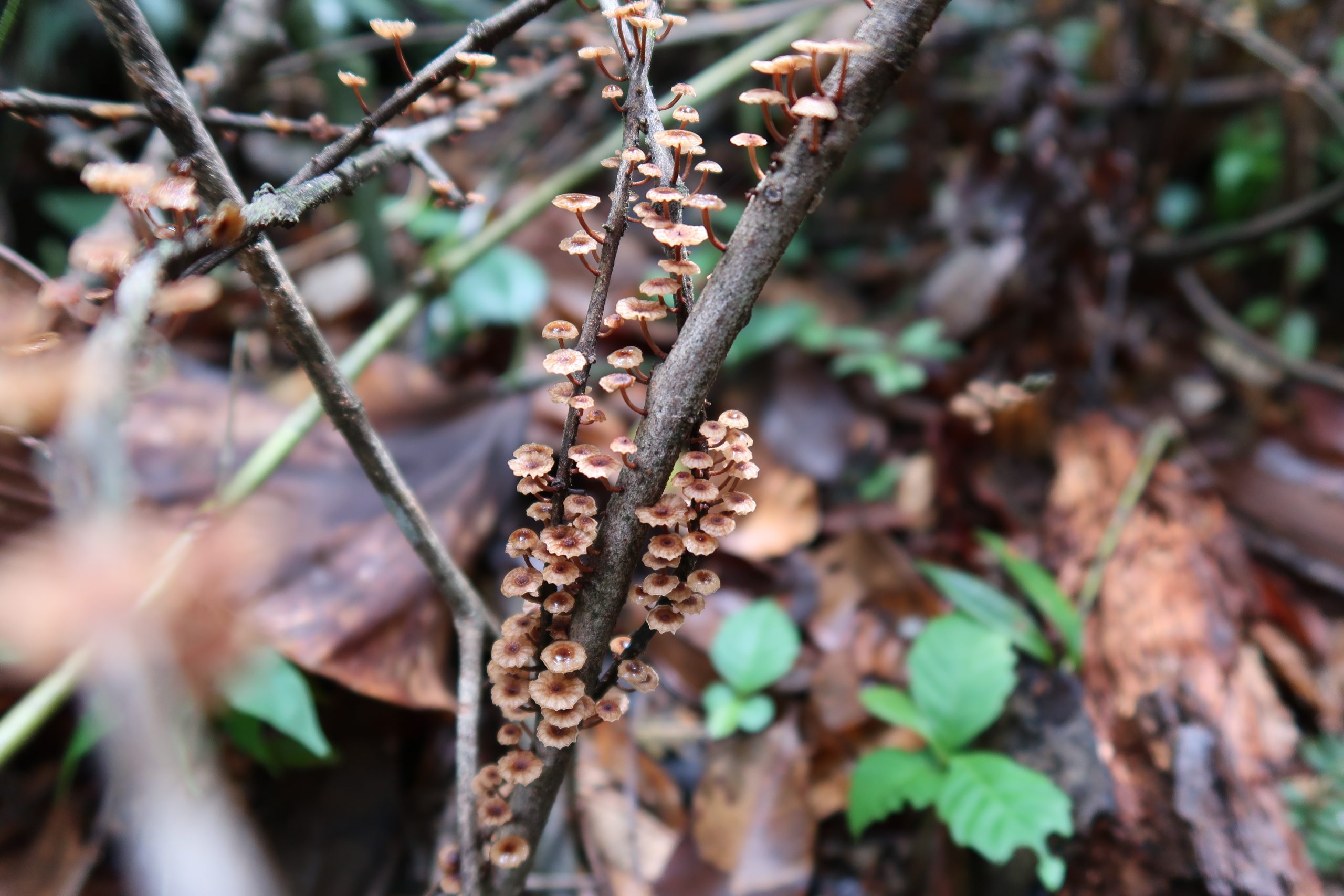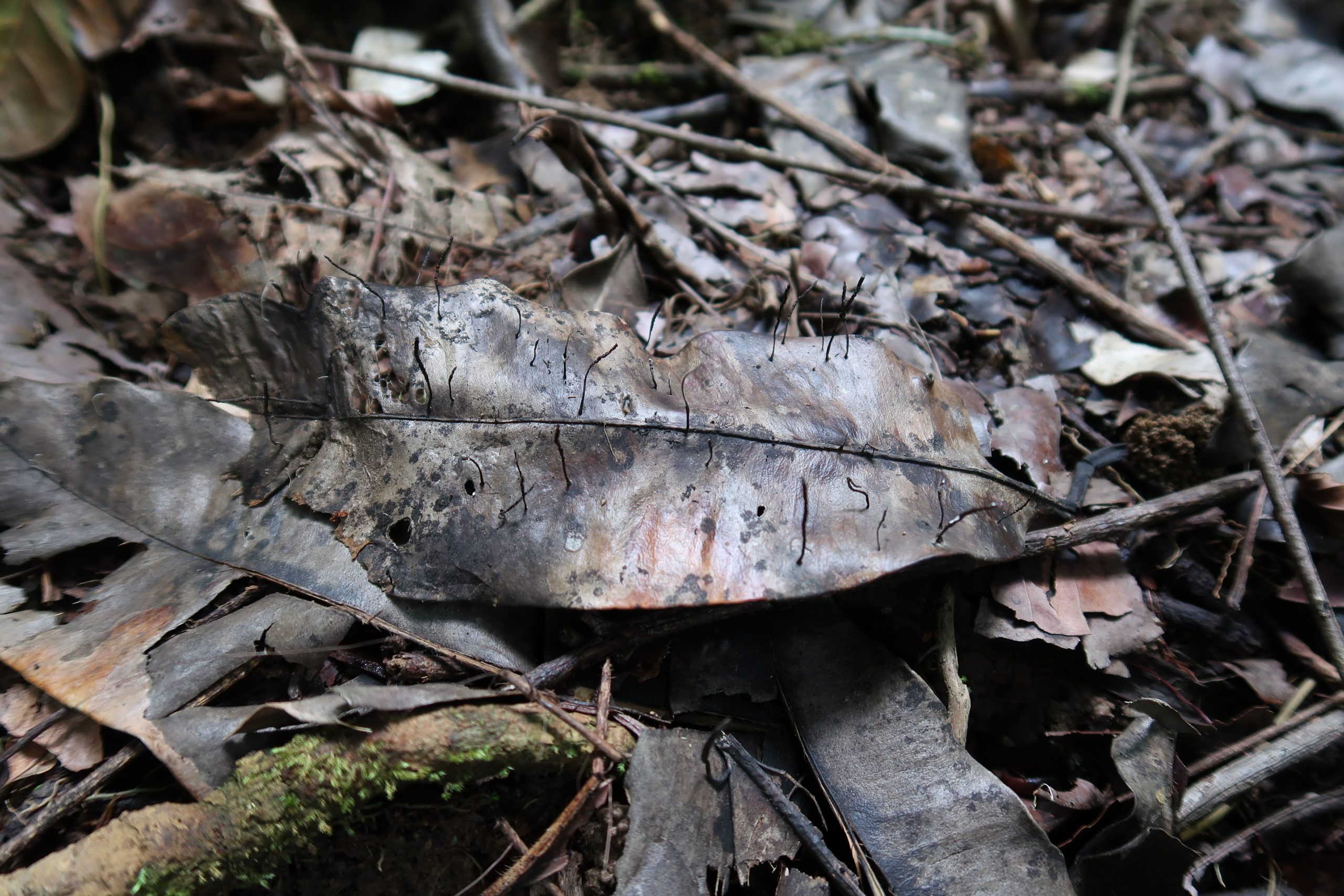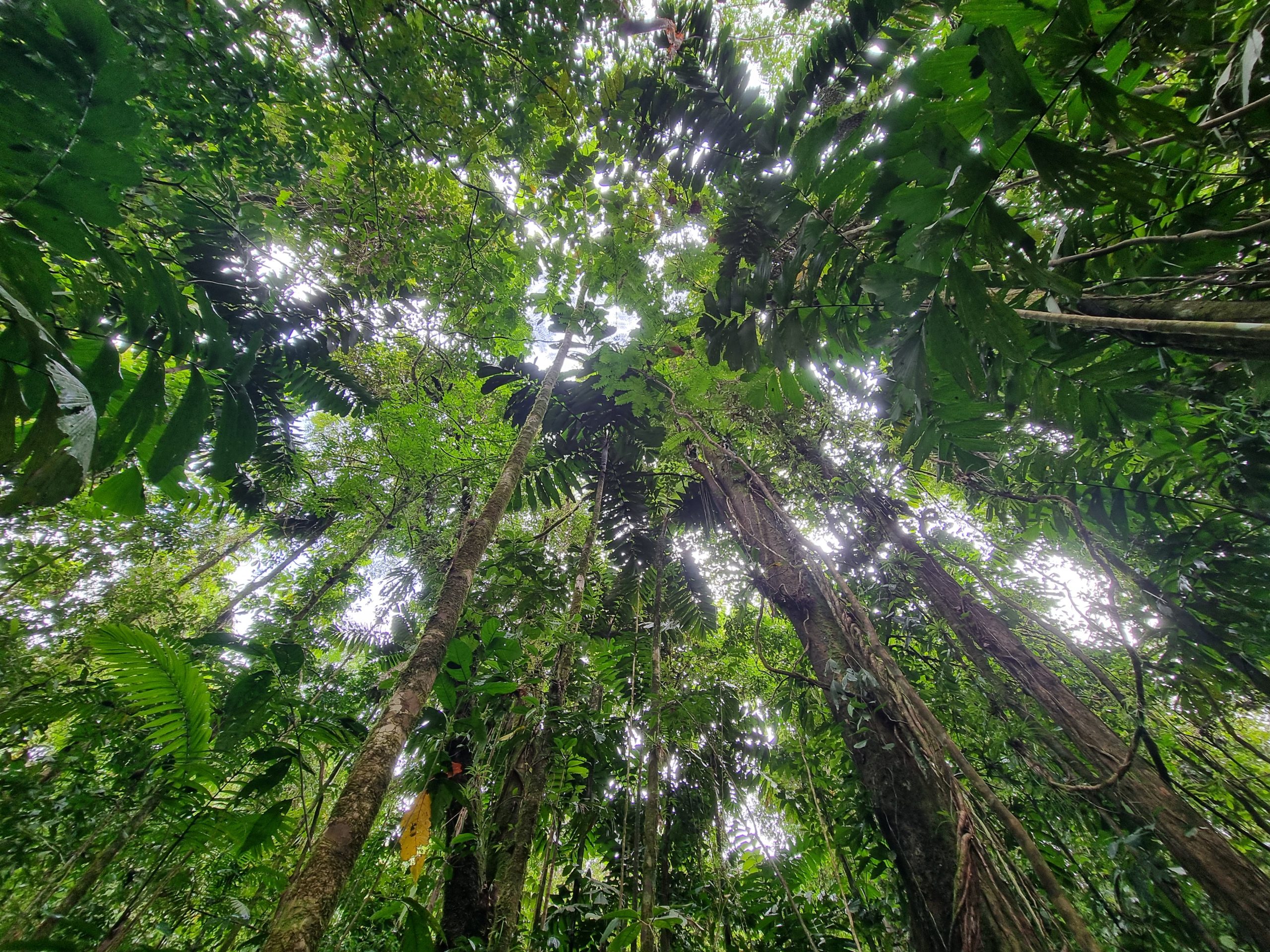
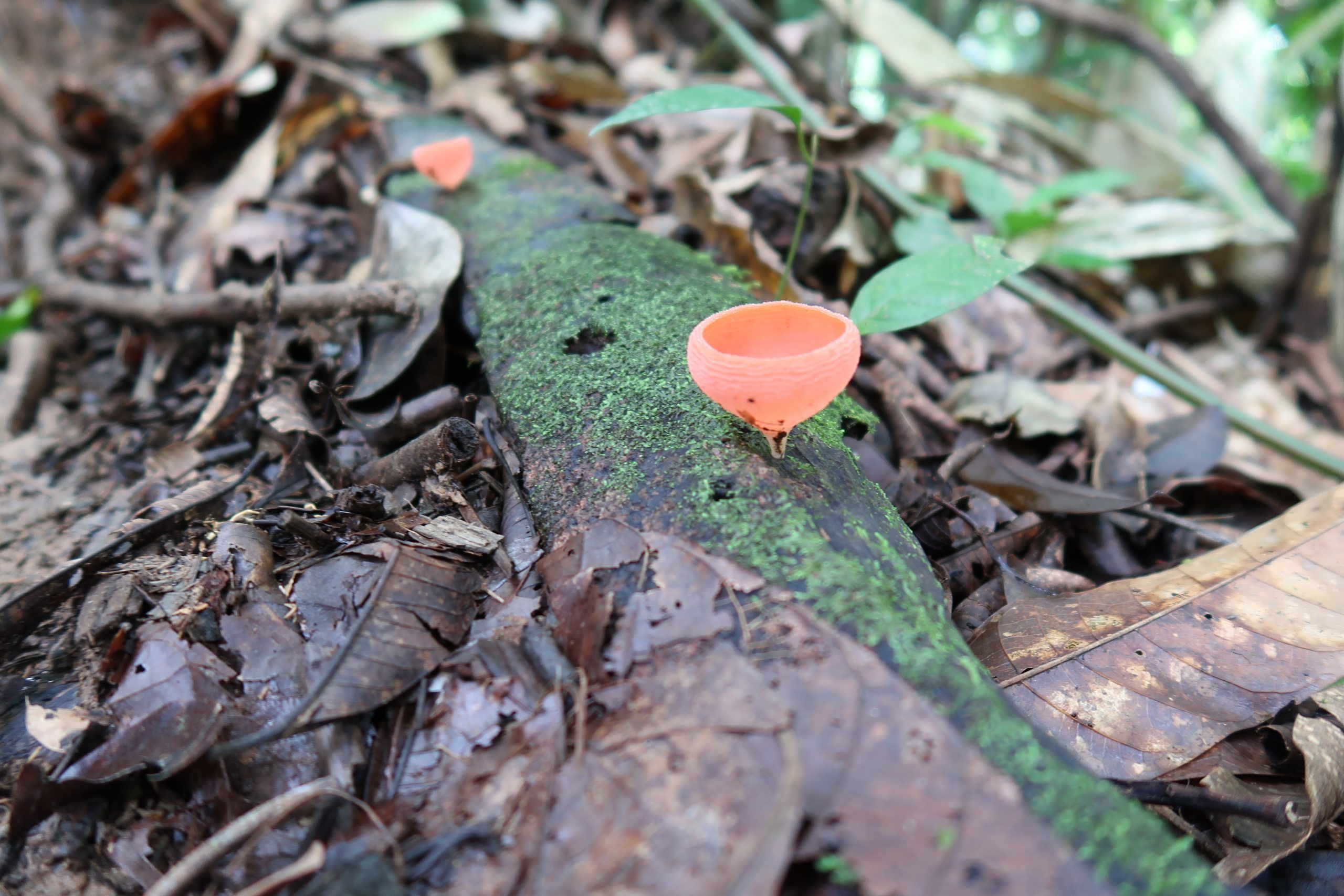
Fungi are neither plants nor animals - and in the tropics there are still countless species that have never been described before. It is precisely there, in the Costa Rican rainforest, that Prof. Dr. Meike Piepenbring has been conducting research for decades. Before her lecture at the Palmengarten, we spoke to her about zombifying parasites, gardening ants and the question of why research into tropical fungi also plays a role for us in Germany.
Who is Dr. Meike Piepenbring?
Meike Piepenbring studied biology in Cologne and Clermont-Ferrand. She completed her doctorate and habilitation in mycology under Prof. Dr. Franz Oberwinkler at the University of Tübingen; for her doctoral thesis she collected smut fungi - plant-parasitic fungi - in Costa Rica. She has been Professor of Mycology at the Goethe University Frankfurt am Main since 2001, interrupted in 2008/2009 by a visiting professorship at the Universidad Autónoma de Chiriquí in Panama. Her focus is on the diversity, ecology and systematics of small plant parasitic fungi; she has written textbooks on mycology in German, English and Spanish.
(Under educational material you will find an article by her in Spanish).
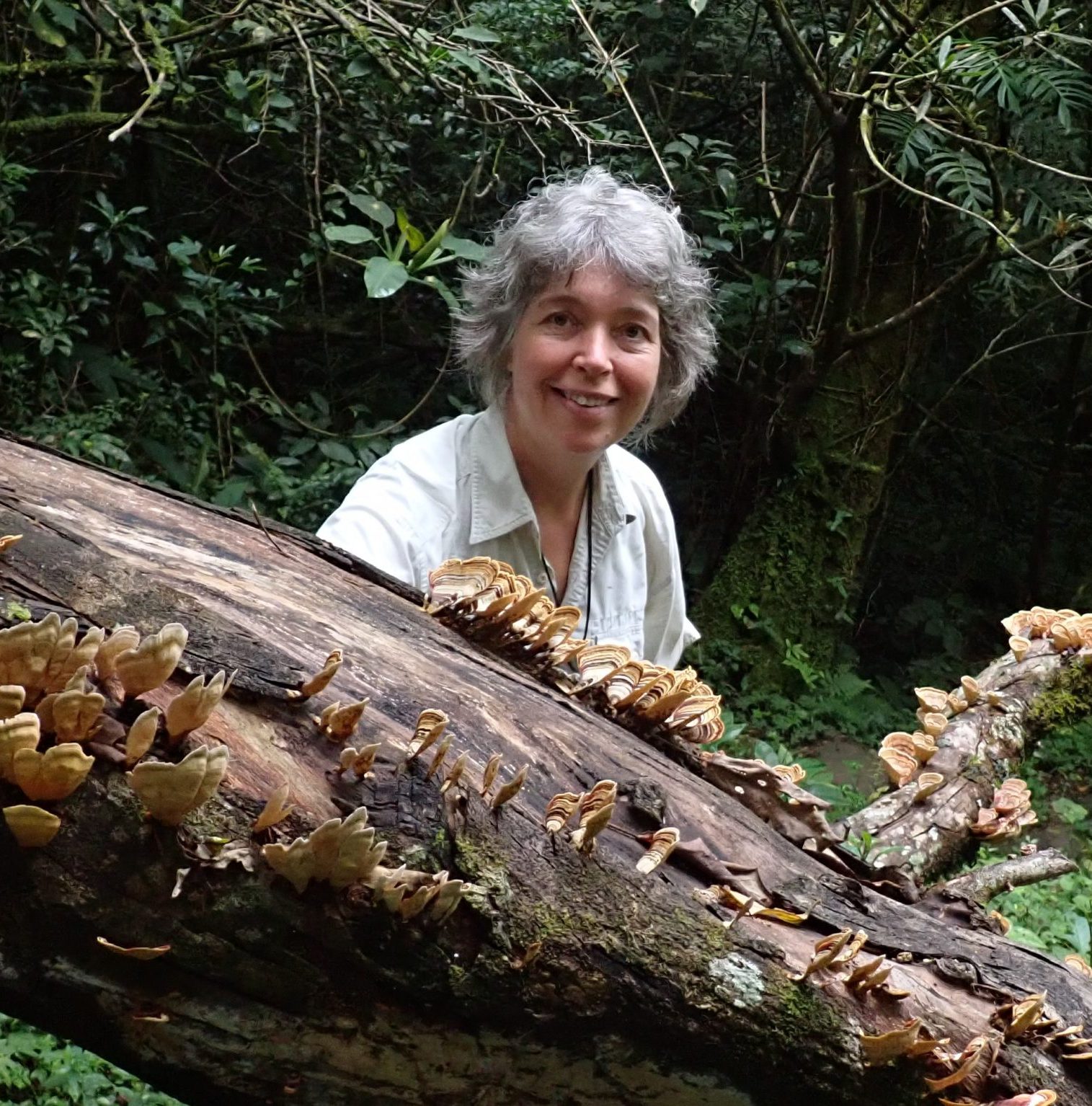
Fungal biodiversity in Costa Rica: Wild parasites and insect friends | Interview with Dr. Meike Piepenbring
Ms. Piepenbring, what prompted you to focus on mushrooms in the tropics of all places?
I first came across fungi after studying biology with a focus on botany. I did my thesis in plant anatomy and was fascinated by the structural diversity of plants. Then I realized that there are also great structures in the field of fungi - and above all, there are even bigger gaps in our knowledge. Even as a teenager, my dream was to travel to the tropics and experience the rainforest. I was able to combine this because I found a professor in Tübingen who supervises such things.
What makes Costa Rica so interesting for mushroom research?
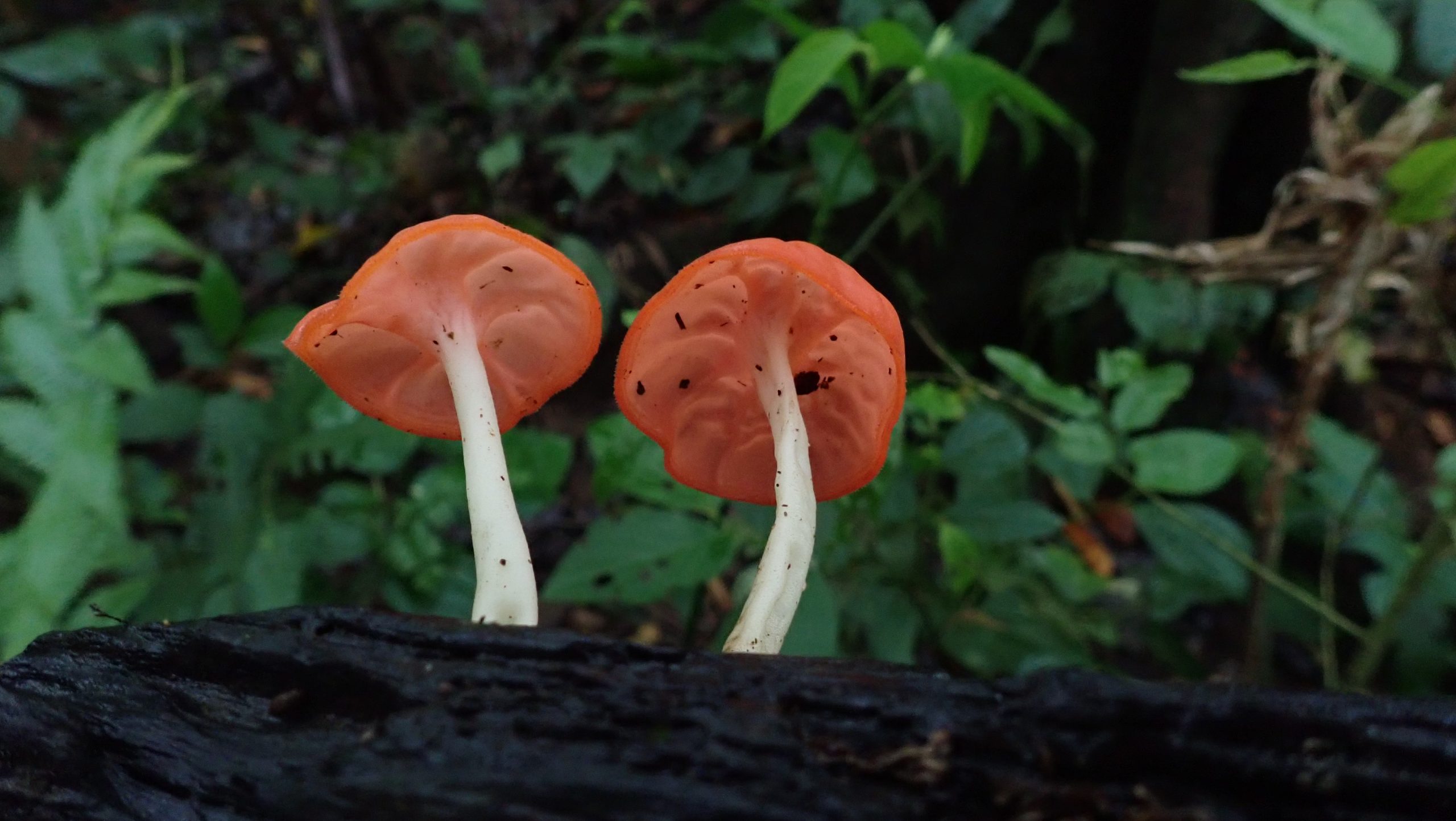
In the tropics, biodiversity for most groups of organisms is significantly greater than here. Costa Rica is located on the Central American land bridge - there the living beings mingle from North and South America. Then there are the altitudes from the coast up to 3,600 meters. Ehere are actually still remote primary forests, forests that have never been cut down. We don't even know that in Germany anymore. The fascinating thing: It's relatively easy to MushroomFind species that do not yet have a name. We are then on site with magnifying glasses, bags and camera and feel like Alexander von Humboldt - collecting mushrooms and realizing: I've never seen this before - maybe I've never seen it before - maybe maybe it's not even known to science yet?
Fungi, plants, insects - how are they all connected?
Basically, the interactions between living organisms are no different in the tropics than they are here, but the variety of possibilities is enormous due to the large number of species. There are parasites on plants, on insects, on other animals and on fungi - even fungi that grow on plant-parasitic fungi, so-called hyperparasites. There are also decomposers: fungi can digest almost anything organic. Some species are so specialized that they only decompose the woody fruits of a single plant species. If this plant dies out, the microorganisms associated with it also die out - most of which we don't even know. And finally there are the symbionts. The most important group are the mycorrhizal fungi: fungal threads in the soil network with the roots of the trees, supplying them with water, compounds with nitrogen or phosphorus and minerals - and receiving sugar in return. Fungi that form somewhat similar symbioses with algae produce lichens, which are also very diverse and ecologically important in the tropics.
The title of your next lecture on July 6 talks about "insect friends" - what does that mean?
I'm thinking mainly of leaf-cutter ants. They climb up trees and bushes, cut leaves into "handy" pieces and carry them to their underground nest. There they cultivate an edible mushroom on this substrate - in principle in exactly the same way as we cultivate mushrooms or oyster mushrooms. There are also smaller ant colonies in which a fungus forms the dwelling itself with its threads: a small, white sack in which the ants live and which they sometimes also eat. Real symbioses, i.e. living together for mutual benefit.
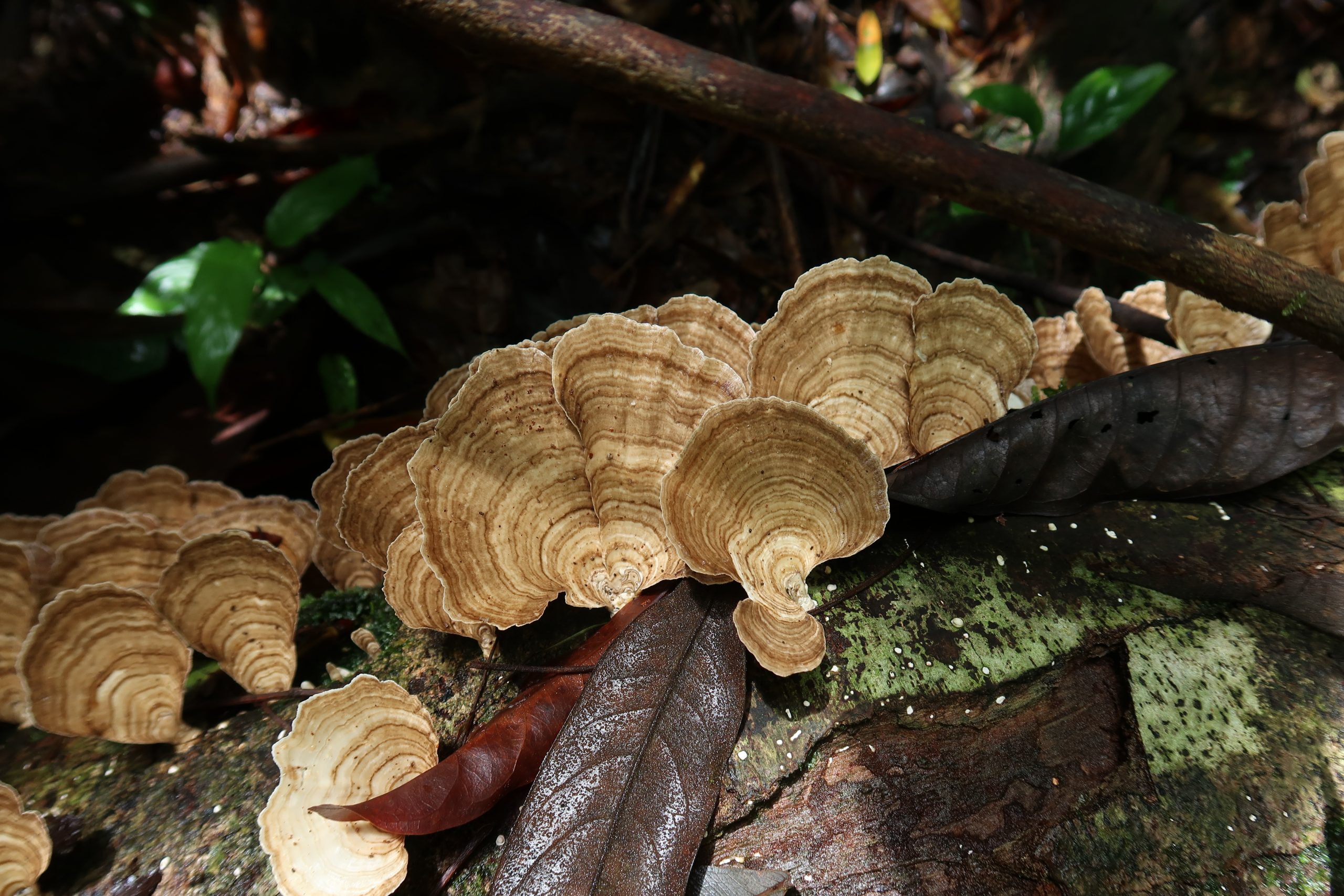
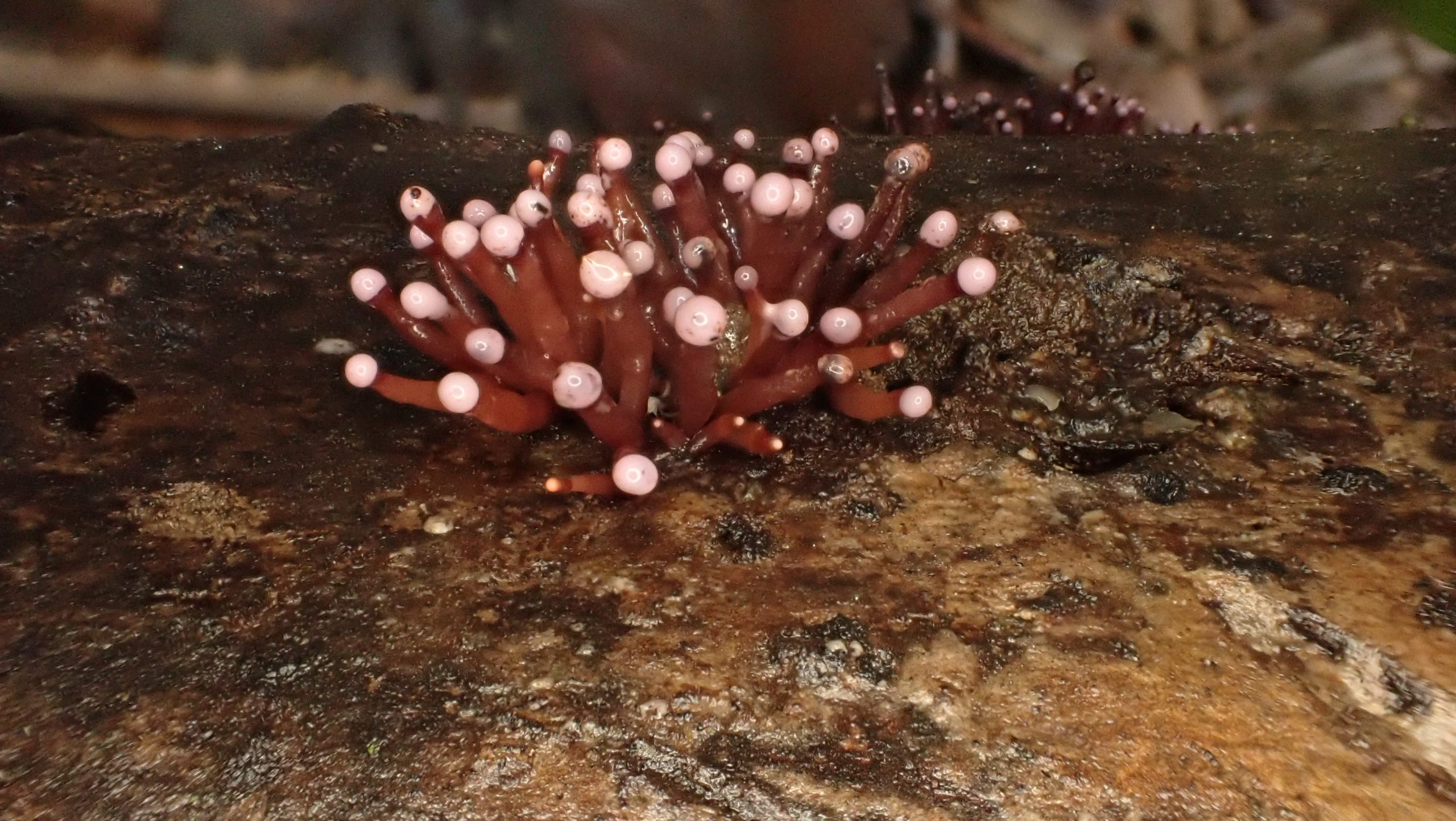
And the "wild parasites"?
Insect parasitic fungi attack butterflies, beetles, ants and other insects, as well as arachnids and other arthropods. The infected animal is initially still alive and is digested from the inside out. The fungus initially spares the vital organs and attacks the fat reserves first - and during this time it sometimes manipulates the insect's behavior, which is particularly well known for ants. The idea behind this was taken up in the video game and series "The Last of Us", which raises the question of how likely it is that such fungi will infect humans. I think it's very unlikely, so I would largely give the all-clear. However, fungi are dynamic and very inventive, so you can't rule anything out completely.
You coordinate the GeCoBio research network. What is it about?
GeCoBio stands for "German Costa Rican Network for Tropical Biodiversity Research" - a German-Costa Rican network for research into tropical biodiversity. It is not only about fungi, but also about animals, plants, ecosystems and nature conservation. We want to build this network by sharing knowledge about the current situation of biodiversity in Costa Rica as well as exciting research questions and by introducing biodiversity researchers in Costa Rica and Germany to each other. We will also provide the scientists with administrative and logistical support.
Sie sind seit Langem Mitglied bei Tropica Verde. Wie passt das mit Ihrer Forschung zusammen?
Wenn man so viel vor Ort unterwegs ist, sieht man die Probleme: Habitatverlust, Felder, die sich in die Wälder hineinfressen, neue Straßen, Umweltverschmutzung. Man sieht direkt, wie Biodiversität verloren geht. Gleichzeitig habe ich beobachtet, wie wertvoll Schutzgebiete sein können. Als ich 2001 als Professorin nach Frankfurt kam, hat mir jemand gesagt: „Hier gibt es übrigens den Naturschutz-Verein Tropica Verde mit Costa Rica als Schwerpunkt.“ Der war 1989 gegründet worden von Studierenden hier in Frankfurt. Da war für mich sofort klar: Da muss ich Mitglied werden!
Warum ist die Erforschung tropischer Pilze auch für uns alle relevant?
Bei den Pilzen muss man unterscheiden zwischen problematischen Arten und solchen, die uns nützen. Auf der einen Seite stehen Parasiten an Nutzpflanzen und Nutztieren, Krankheitserreger, Giftpilze, Allergene oder Schimmel in Gebäuden. Sie zu kennen, ist Voraussetzung für Schutzmaßnahmen. Auf der anderen Seite gibt es neben Speisepilzen und Pilzen in der Biotechnologie eine enorme Vielfalt nützlicher Substanzen aus Pilzen: Penicillin und andere Antibiotika kennt jeder; daneben gibt es weitere, wie zum Beispiel Cyclosporin, das das Immunsystem herunterfährt. Ohne diesen Wirkstoff wären Organtransplantationen nicht erfolgreich. Mit jeder neu entdeckten Art kommen potenziell neue Wirkstoffe dazu . Für die biologische Schädlingsbekämpfung lassen sich insektenparasitische Pilze im Labor vermehren und auf den Feldern oder in Gewächshäusern gegen Blattläuse oder Wanzen einsetzen. Die angewandte Mykologie ist ein sehr weites Feld!
Das Interview führte und bearbeitete Paul Heß, ehrenamtlicher Mitarbeiter für Tropica Verde e.V. – sprachlich geglättet und gekürzt.
06.07.2026 | SAVE THE DATE
„Von wilden Parasiten und Insektenfreunden – pilzliche Biodiversität in Costa Rica“
Vortrag von Prof. Dr. Meike Piepenbring (Goethe-Universität Frankfurt) in Kooperation mit Tropica Verde e.V. und dem GeCoBio-Netzwerk.
📅 Montag, 6. Juli 2026, 19:00 Uhr
📍 Palmengarten Frankfurt