A meeting to strengthen the environmental education network
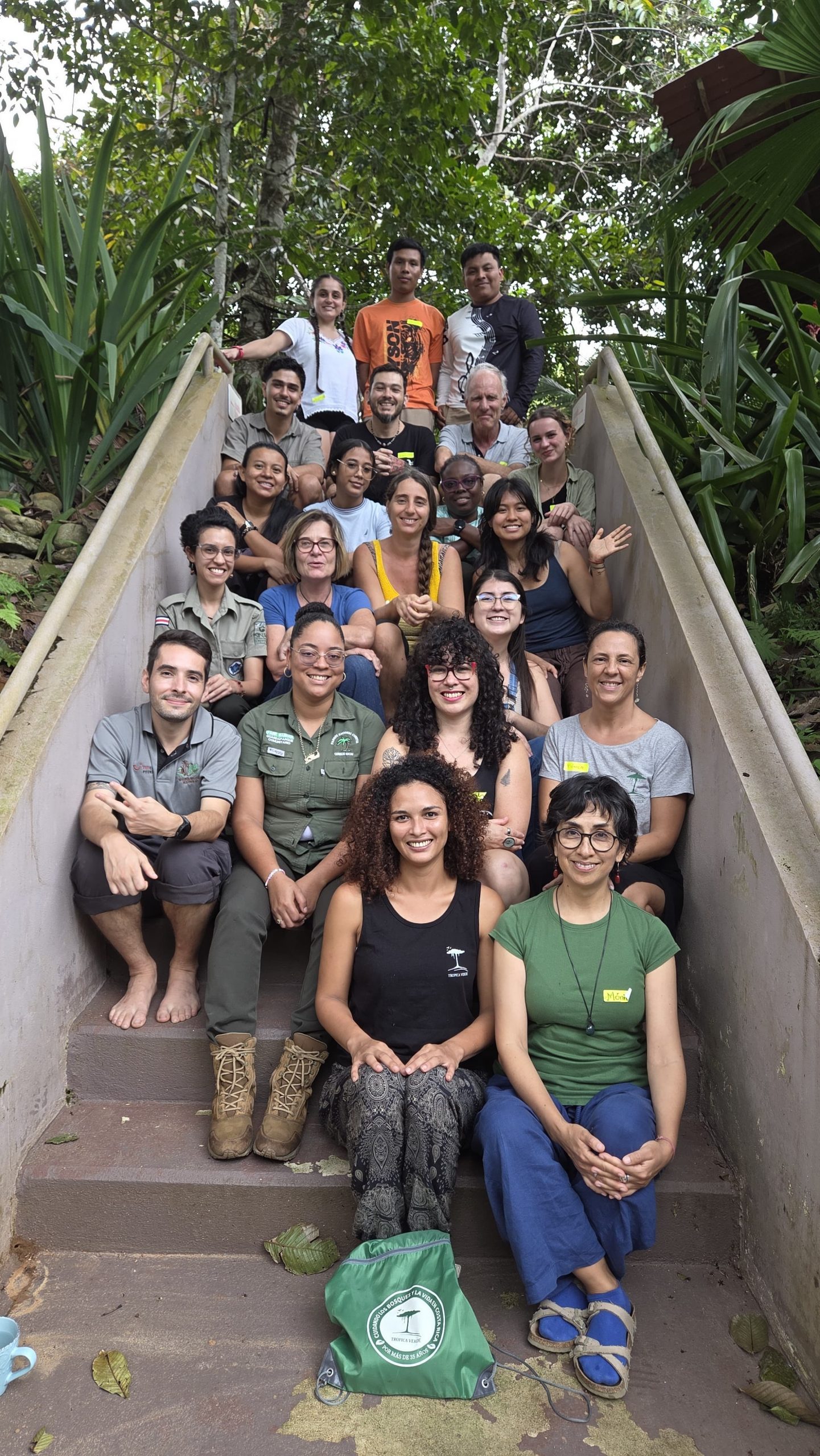
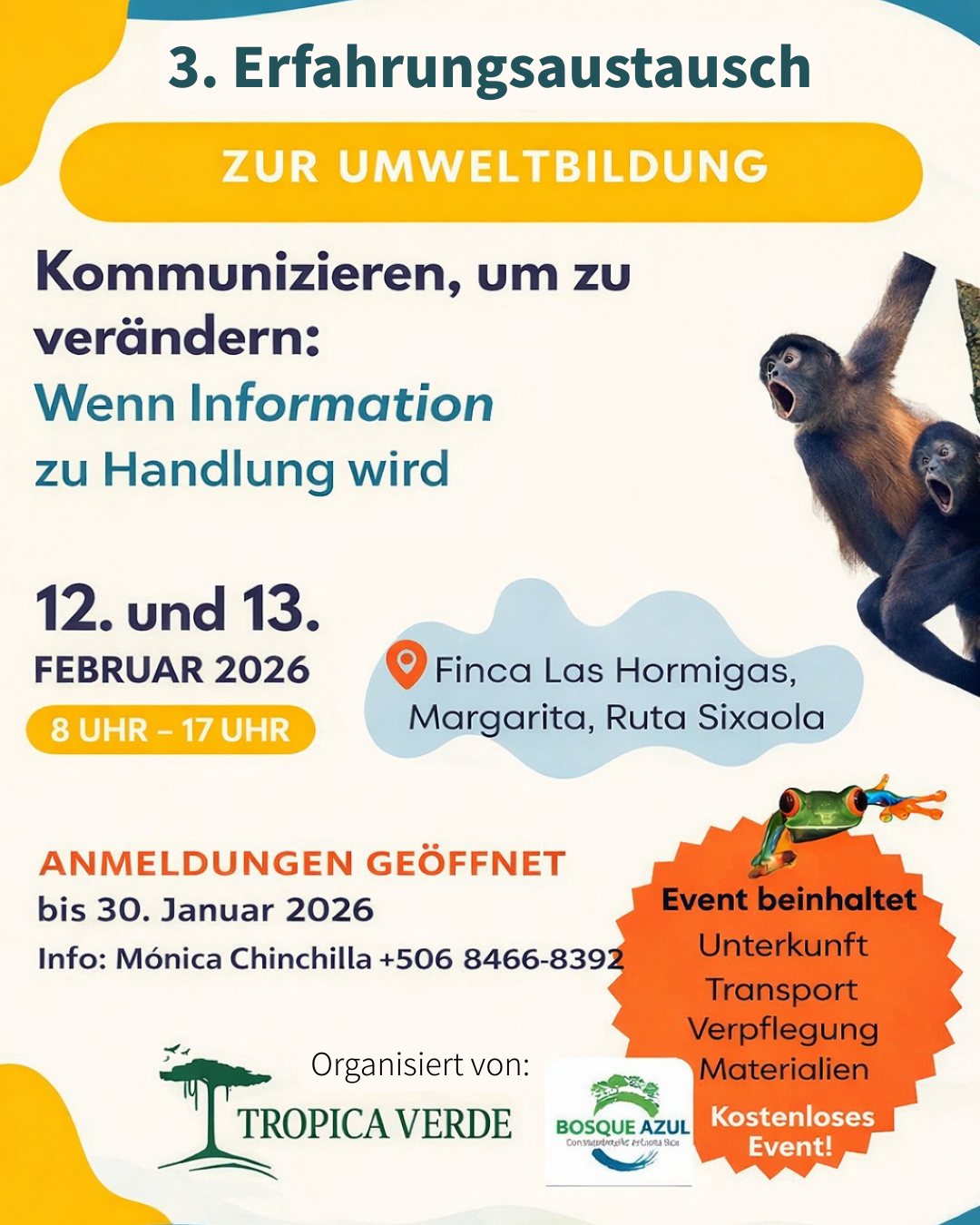
On On February 12 and 13, 2026, the 3rd Exchange of Experience and Knowledge on Environmental Education took place in Puerto Viejo de Talamanca, a training event initiated by Tropica Verde and attended by 23 participants from different institutions, municipalities and regions of the country. The generational, cultural and institutional diversity enabled an enriching dialog aimed at strengthening communication as a tool for socio-ecological change.
Among the participants were representatives from SINAC, MEP, technical schools, community organizations and the indigenous territories of the Bribri and Cabécar, which highlighted the territorial scope and cross-sector networking that characterize these processes.
When information becomes action
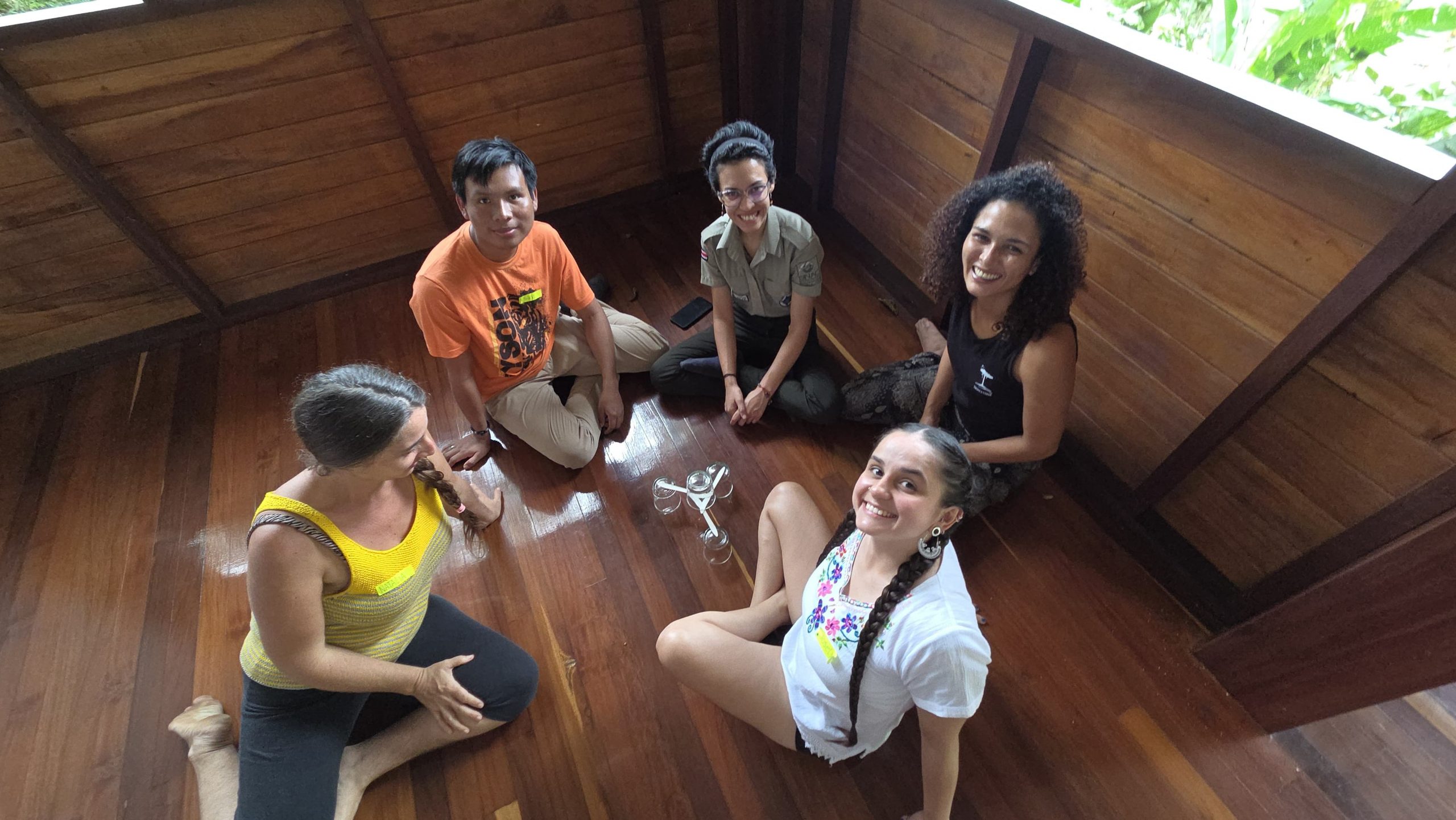
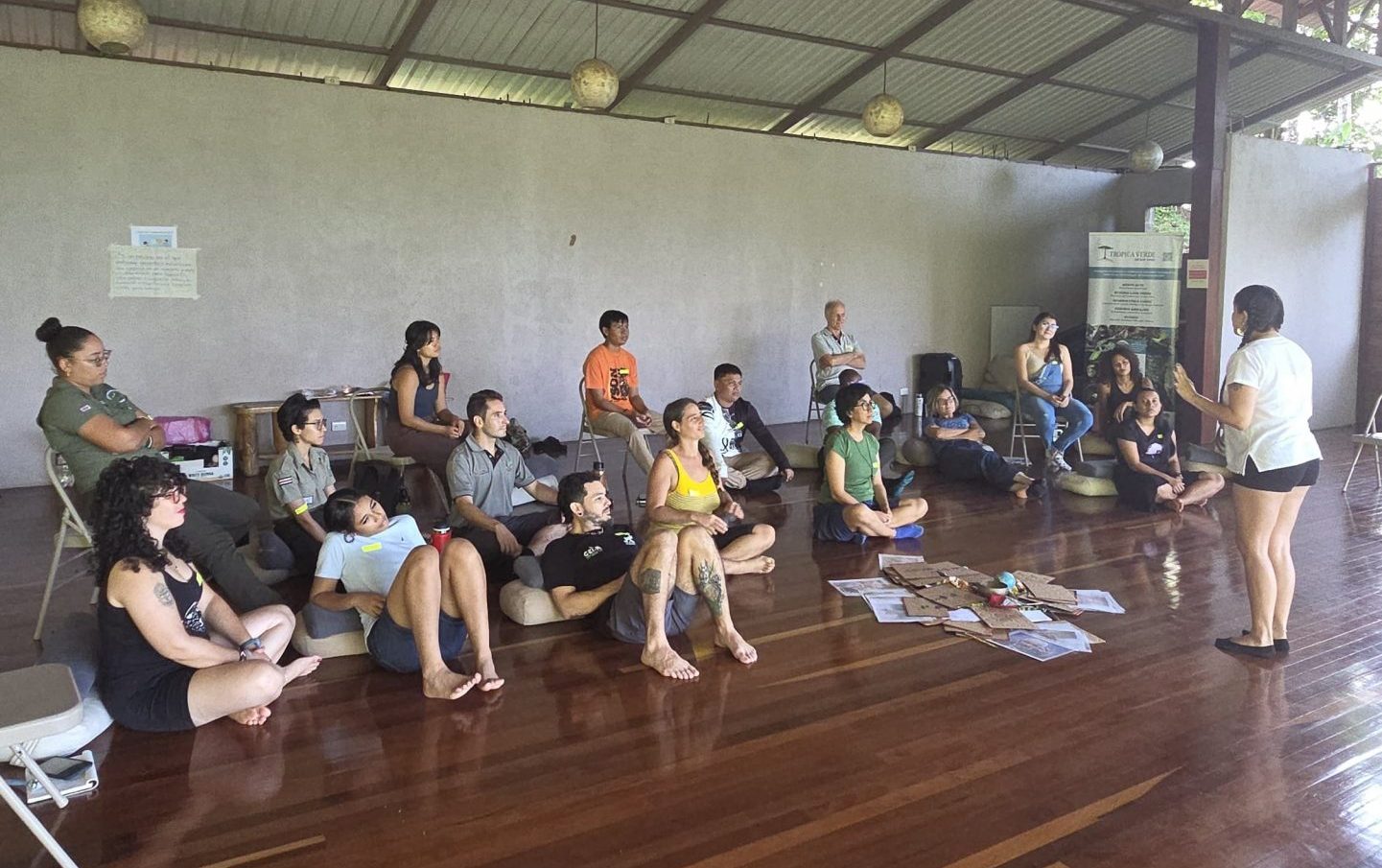
The meeting integrated participatory methods, experiential exercises and hands-on workspaces that allowed for the exploration of different forms of communication - physical, visual, narrative, digital and artistic - as tools for environmental education. Participants analyzed and elaborated messages in printed form, practiced oral storytelling, theater and the strategic use of social networks for educational purposes, accompanied by facilitators from Tropica Verde, Bosque Azul and the Jaguar Rescue Center.
Results that inspire continuation
The evaluation of the meeting showed an outstanding level of satisfaction: the overall experience received top marks and more than 90% of participants said they were motivated to apply what they had learned in their work, community or educational projects. Key takeaways included the importance of clear, creative communication that keeps the target audience of the message in mind.
Suggestions received were mainly aimed at extending the duration of future meetings and deepening the content, demonstrating an interest in further strengthening skills.
Establish networks
The meeting also highlighted the fruits of the continuous collaboration that has taken place in recent years. The logistical support from partner institutions enabled people from different regions to participate and showed that inter-institutional cooperation is crucial to consolidate transformative educational processes.
This third exchange not only strengthened communication skills, but also reinforced something essential: when people come together, share knowledge and build something together, environmental education becomes a living force for change.