
RESERVA LAPA VERDE
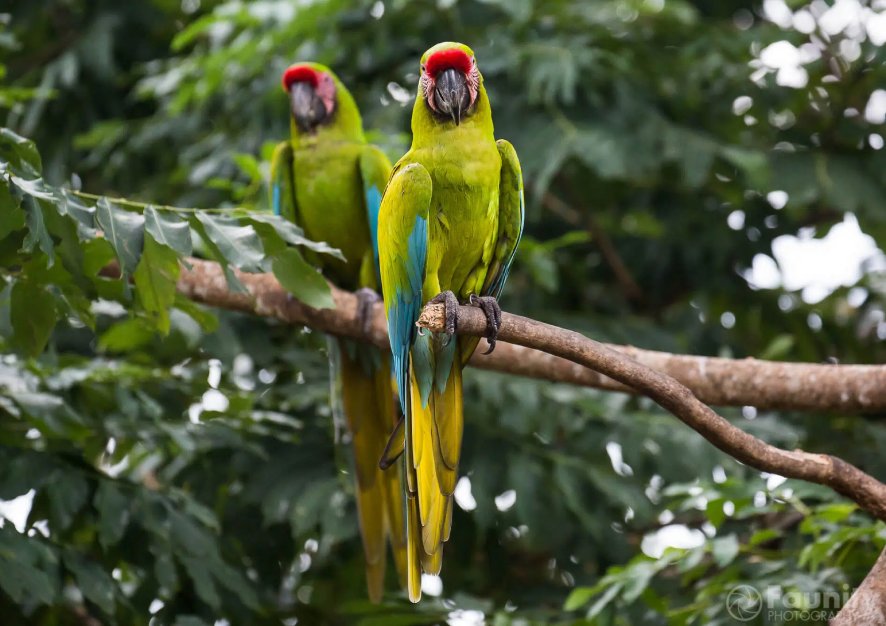
Protection of the Great Soldier MacawReserva Lapa Verde is named after the Great Soldier Macaw
Measuring up to 85 cm, the Great Green Macaw (Ara ambiguus) is one of the largest parrot species. Because of its green plumage, it is known as “Lapa Verde” in Costa Rica. Greater military macaws prefer to live in dense tropical lowland rainforests, and the “Almendro” (forest almond tree, Dipteryx panamensis) in particular plays a vital role in their diet and reproduction. Approximately 90% of soldier macaw nests are located in almendro trees. However, it takes about 60 years for these mighty giant trees to provide nesting cavities that are large enough. Equally important for the breeding season are the hard-shelled, almond-shaped nuts of the almendros, which the Lapa Verde—unlike most other animal species—can easily crack open with its powerful beak. The seasonal migration of the birds depends on the regional fruit supply of these and other important food trees that are protected on the Tropica Verde areas.
Threats to
the Lapa Verde population
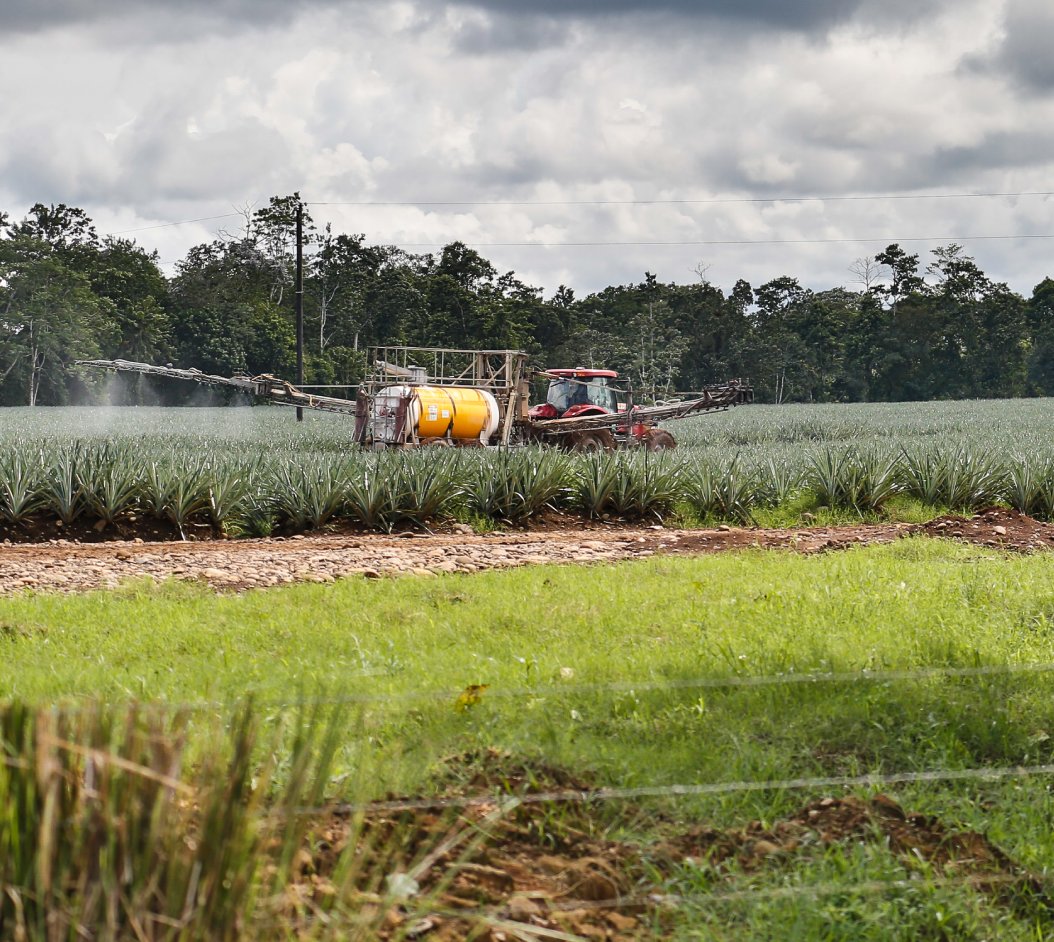
Due to the ongoing destruction of their habitat, the survival of these magnificent birds is seriously threatened. The former range of the soldier macaw, which stretched from Honduras to Colombia, has already shrunk by more than 90 percent. Deforestation of the rainforest continues to advance. In the remaining forest areas, poaching and illegal trade also threaten the survival of this species.
Recent surveys at 16 sites showed that the population of Great Green Macaws in Costa Rica in 2019 was at least 169 individuals. The Great Green Macaw (Ara ambiguus) is on the IUCN Red List of Threatened Species and is classified as critically endangered by the IUCN ( International Union for Conservation of Nature ) . To ensure the long-term survival of the Great Green Macaw in Costa Rica, the last remaining unprotected breeding grounds in northern Costa Rica must be preserved from destruction.
Threats to
the Lapa Verde population
Due to the ongoing destruction of their habitat, the survival of these magnificent birds is seriously threatened. The former range of the soldier macaw, which stretched from Honduras to Colombia, has already shrunk by more than 90 percent. Deforestation of the rainforest continues to advance. In the remaining forest areas, poaching and illegal trade also threaten the survival of this species.
Current surveys at 16 locations showed that the number of greater soldier macaws in Costa Rica in 2019 was at least 169 individuals. The Ara ambiguus is on the Red List of Threatened Species and is considered critically endangered according to the IUCN classification. To ensure the long-term survival of the Lapa Verde in Costa Rica, the last, previously unprotected breeding areas in northern Costa Rica must be saved from destruction.

News about this project

Review of the year 2023: How our projects developed
Cooperation, poaching and environmental education 2023 was a very intensive year in terms of our project work in Costa Rica. I've just returned from another 6 weeks in the country shortly before Christmas and have taken away many positive impressions from the...

Can the Great Soldier Macaw still be saved? – Interview with Stefan Rother
We protect the rainforest – Our projects
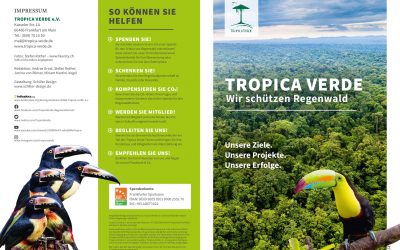
Our new image brochure is ready. The newly designed brochure provides information about our projects and activities in Costa Rica. We hope you enjoy reading it! Link to desktop view Link to the mobile view